
Social TVC Campaign Case Study- When Brands Step Back, Trust Begins
Client: Momcozy
Market: United Kingdom, France, Germany
Format: Social-first TVC & Short-form Video Series
The Work
For Momcozy’s UK market, the work centred on something deliberately simple:
real mothers speaking honestly, without instruction or performance.
There was no studio set-up, no casting, and no scripted TVC narrative.
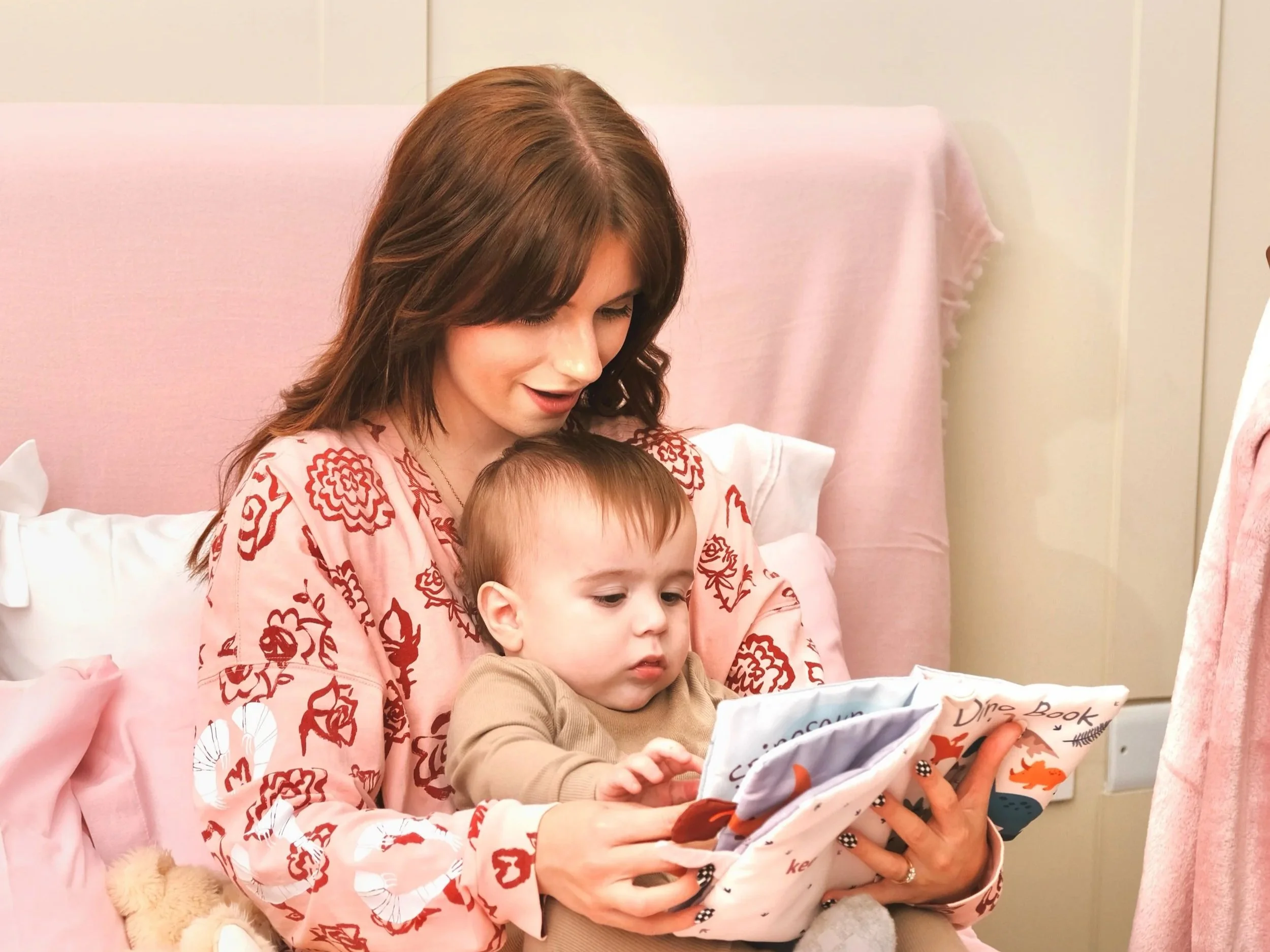
Instead, four UK mums were invited to sit down and talk about feeding, recovery and motherhood, in their own words, at their own pace.
They spoke about the emotional crash after coming home from the hospital, three-hour cycles in the NICU, emergency C-sections, night pumping, and the weight of returning to work.
Nothing was softened, and nothing was framed as a solution.
An Unexpected Outcome
Among the four films, one stood out in particular.
A mother of seven delivered the strongest organic performance. Her standalone social video reached several hundred thousand views organically, without paid media, influencer amplification or promotional push.
The response was not driven by novelty, but by recognition.
What This Revealed About UK Audiences
Through ongoing conversations with UK mothers, forum analysis and social listening, three consistent patterns emerged.
Understanding Matters More Than Instruction
UK audiences are highly sensitive to advertising language, particularly in maternal and health-related categories. What resonates is not guidance, but acknowledgement — the ability to say “this is difficult” and “you are not alone in this.”
The moment a brand attempts to instruct, distance is created.
Relatability Outweighs Influence
Follower count carries limited weight in high-sensitivity categories.
In feeding and postpartum care, trust is built through proximity — someone who feels familiar rather than aspirational. This is why the work featured real mothers with different realities, rather than talent or influencers.

Polished Happiness Creates Scepticism
Highly curated portrayals of motherhood tend to generate resistance rather than connection. Each film was structured to lead with emotional breakdown, fear, guilt and vulnerability before moving towards reassurance.
The work did not rush to comfort. It allowed truth to exist first.

Creative Approach
The films were designed as quiet, observational conversations — closer to documentary than advertising. The brand did not position itself as a hero or solution, but remained present in the background.
Across the series, a consistent narrative rhythm emerged:
Reality → Recognition → Support
As a result, the work did not feel promotional. It felt human.
Why This Works in the UK
The UK market operates on a distinct logic: overt selling triggers resistance, highly produced messaging invites scepticism, and third-party voices consistently outweigh brand claims.
Trust is built slowly and indirectly, through tone, restraint and emotional honesty. In this context, marketing does not begin with persuasion — it begins with listening.
Reflection
This project reinforced a simple but often overlooked truth:
When brands stop explaining, people start listening.
When brands step back, trust has room to form.
Four real stories were enough to demonstrate that shift. One unexpected voice made it unmistakable.
